The Plan-First Workflow
We teach the plan-first workflow: the habit of predicting a plan, reviewing the diff, and judging whether the result is right, before you ship it. It is the same habit a senior engineer runs on any pull request before it merges. We teach it for the AI agent doing your work now.
The skill that matters in the AI era is not output. AI generates that. It is judgment: knowing which system to build and why, and being able to tell whether what the AI produced is right. Judgment is not innate. It is learnable. This series exists to build it, the same way it is taught at UC Berkeley.
Who This Course Is For
Junior Engineer
"Direct the plan, not just the diff."
You ship features with an AI agent, but you cannot always explain why the system is built the way it is. When someone asks "why a queue here?" you do not have a clear answer yet.
Vibe Coder
"Know why it works, not just that it works."
You build fast with AI tools, but you do not always understand what got built. When it breaks in production, you are debugging code you cannot explain.
Career Changer
"Bridge the gap from coding to production systems."
You can code, but you have not worked on production systems. You know the syntax. You do not yet know how real applications are put together at scale.
The Workflow Is Free
Traditional engineering education takes three to five years to build system judgment through experience. AI changed the timeline: teams now expect that judgment much earlier, because writing the code is no longer the bottleneck.
So we give the workflow away. Scaffold is a free, open-source skill that runs the plan-first loop on your own code: predict the plan, review the diff, argue with what came back. Read the seven building blocks free, any time, at /learn/. The workflow itself does not require a purchase. The guided path, in order, with feedback on your own designs, does.
The Seven Building Blocks: The Mental Model
Every system you have ever used, Instagram, Gmail, Uber, Netflix, is composed from the same 7 building blocks. Once you know them, you are not memorizing framework names. You have a mental model: what to ask about an agent's plan, and what to check in its diff.
Task Blocks
 Service - Request/response processing
 Worker - Background processing
Storage Blocks
 Key-Value Store - Caching and fast lookups
 File Store - Media and large file storage
 Queue - Message processing
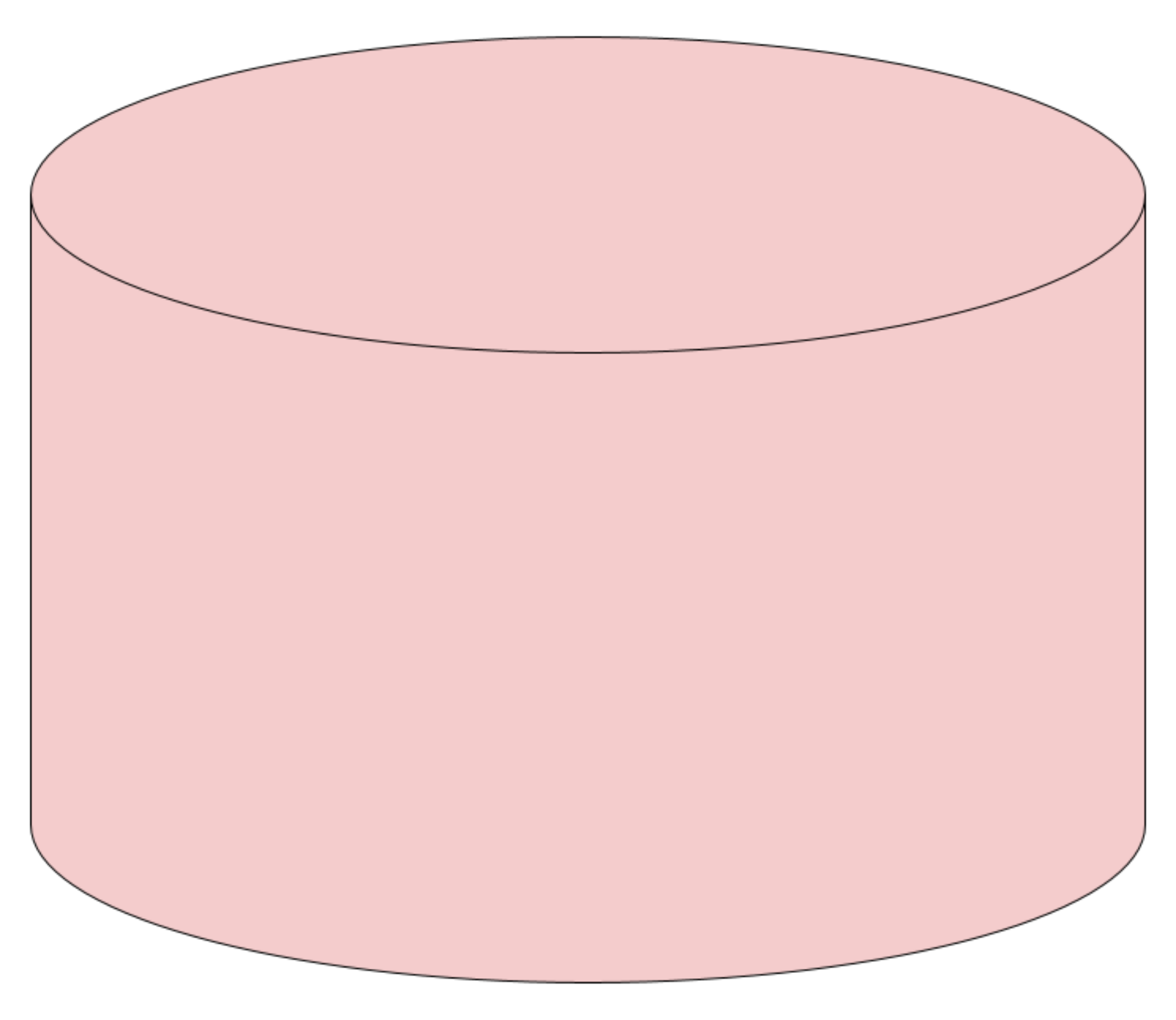 Relational Database - Structured data
 Vector Database - AI & similarity search
Plus 3 external entities that interact with these building blocks to create complete systems:
 User
 Time
 External Service
About Your Instructor

Kay Ashaolu
UC Berkeley Lecturer & Engineering Manager
Kay brings a rare combination: 20+ years building commercial software at scale and 10+ years teaching at the university level. Most practitioners cannot teach. Most teachers have not built. Kay has done both.
He earned his Master's degree in Information Management and Systems from UC Berkeley and has built his career around empowering engineers to think architecturally, across academia, government, and industries including social media, health care, and finance.
Through years of teaching and mentoring, Kay distilled complex system design into the 7 universal building blocks that work across every platform. This course series is his framework for developing that judgment: the same one he teaches at UC Berkeley.